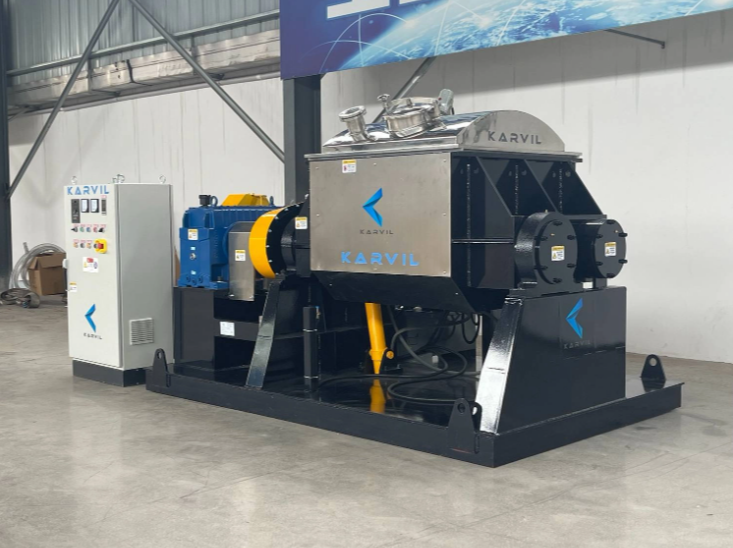
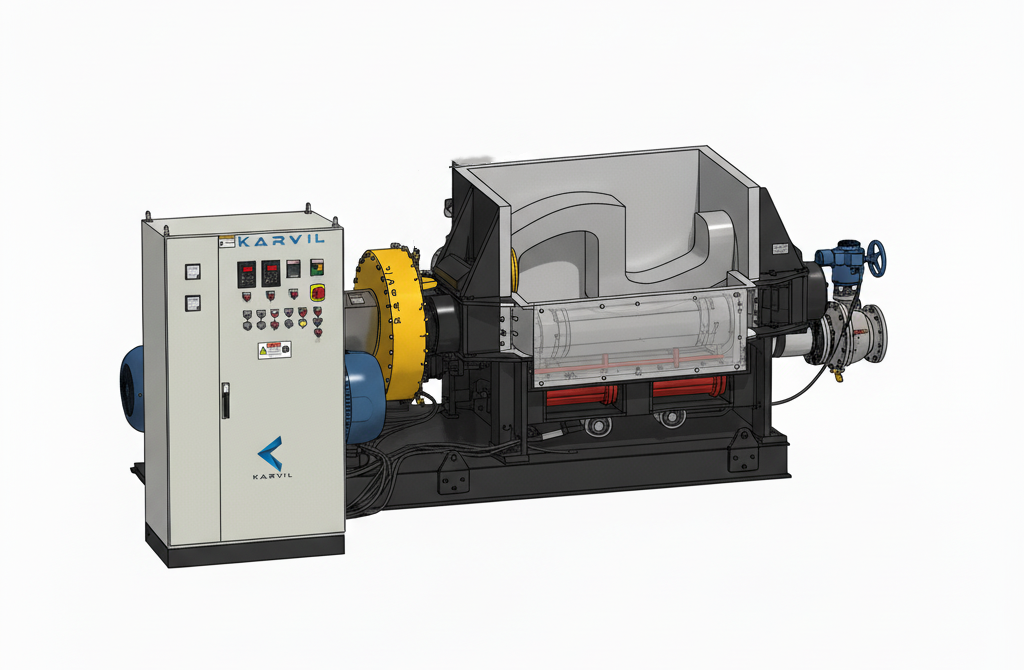
Sigma mixers are vital in industries like food, pharmaceuticals, and chemicals. They efficiently mix high-viscosity materials, but choosing the right size and capacity can be challenging. In this article, we’ll explore the key factors that affect your Sigma mixer selection.
It is not often that we get to manufacture a client’s entire production line in one go—from the R&D lab bench all the way to the factory floor.This week, we completed a specialized fleet of 10 Sigma Kneaders for a chemical manufacturer in Turkey. Their application? A complex, high-viscosity blend of
Sigma Mixers are indispensable in industries such as food, pharmaceuticals, and chemicals. They excel at efficiently mixing high-viscosity materials like adhesives, rubber, and dough. In this article, we’ll explore the top features you must evaluate before purchasing a Sigma Mixer.
Choosing the right industrial mixer can make or break your production line. The wrong choice leads to inefficiency, downtime, and inconsistent results. In high-viscosity processing, Sigma Mixer and Planetary Mixer are the go-to options. This article compares the two,
If you are processing materials like silicone rubber, heavy adhesives, or chewing gum base, you already know the problem: standard mixers just can't handle the torque.When viscosity gets high, ordinary agitators get stuck, motors burn out, or worse—you get a mix that is uneven and full of lumps.That
Is your mixing process failing under extreme pressure and sticky loads? High-viscosity materials strain systems and ruin consistency fast. A dedicated Sigma Mixer keeps flow stable and product quality intact. This guide explores how the right Sigma Mixer solves dense mixing challenges.
Karvil has a professional technical team dedicated to the research, design, and manufacturing of Sigma mixers and ribbon blenders. Our equipment has already been sold to over 50 countries and various industries worldwide.