

Views: 0 Author: Site Editor Publish Time: 2025-12-01 Origin: Site


Sigma Mixers are indispensable in industries such as food, pharmaceuticals, and chemicals. They excel at efficiently mixing high-viscosity materials like adhesives, rubber, and dough. In this article, we’ll explore the top features you must evaluate before purchasing a Sigma Mixer. With so many options available, understanding key features ensures you select the right equipment. By the end, you’ll be equipped to choose the best Sigma Mixer for your production needs, considering factors like material compatibility, capacity, and more.
Material Compatibility: Choosing the right construction material, such as stainless steel or carbon steel, ensures durability and resistance to corrosion, especially for specific materials.
Mixer Capacity: Selecting the right size and capacity is vital to avoid overloading and ensure efficient mixing for the intended batch size.
Customization Features: Custom blade designs, heating/cooling options, and attachments can optimize performance and allow flexibility for specific production needs.
Hygiene and Safety Standards: Compliance with industry certifications, such as FDA and GMP, is crucial for industries like food and pharmaceuticals, ensuring product safety and quality.
Long-Term Investment: Budget considerations should not just focus on the initial cost but also the total cost of ownership, including maintenance and energy efficiency.
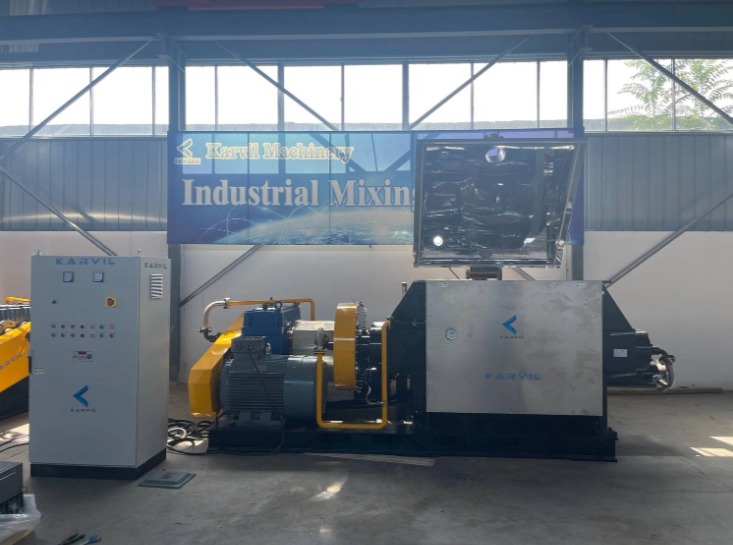
Sigma Mixers are widely used for mixing materials that have varying viscosities, from thick pastes to high-viscosity liquids. Choosing the correct material compatibility for a Sigma Mixer ensures that it handles the materials efficiently and maintains the longevity of the equipment. High-viscosity materials, such as adhesives or rubber compounds, require Sigma Mixers with robust construction and reinforced blades that can handle the demanding shear forces involved. For less viscous materials, lighter models made from stainless steel might suffice.
The choice of material construction is also critical when it comes to durability. The most common construction materials for Sigma Mixers include stainless steel and carbon steel. Stainless steel, particularly 316L, is the preferred material in food and pharmaceutical applications because it resists corrosion and is easy to clean, meeting stringent hygiene requirements. In contrast, carbon steel, though more affordable, is often used in industrial applications where corrosion resistance is less of a concern.
When working with corrosive substances, it is important to select a Sigma Mixer made from stainless steel or one that has a special anti-corrosion coating. Corrosive chemicals can cause significant wear and tear on the equipment over time, so choosing the right material is crucial for avoiding costly repairs and maintaining operational efficiency. For industries like chemicals or pharmaceuticals, investing in a corrosion-resistant mixer ensures minimal downtime and more consistent mixing performance.
Selecting the correct material for handling corrosive substances also extends the lifespan of the machine. Sigma Mixers built with stainless steel (particularly 316L) are highly resistant to corrosion, making them ideal for environments where aggressive materials are mixed. This resistance ensures that the mixer will not degrade over time, thereby maintaining the integrity of the mixing process and reducing the need for frequent replacements.
Sigma Mixers with jacketed mixing troughs allow for precise temperature control during the mixing process. This is essential for industries that handle heat-sensitive materials, such as the food and pharmaceutical sectors, where maintaining a specific temperature is critical to product quality. Additionally, customizing blade designs can provide enhanced functionality. Custom blades are beneficial for optimizing mixing efficiency based on material properties like viscosity, helping to achieve a more uniform mix.
At KARVIL, we offer mixers with customizable options, such as temperature control systems and tailor-made blade configurations, designed to meet the specific needs of different production processes. Whether you're handling heat-sensitive ingredients or specialized materials, a custom-configured Sigma Mixer can provide the performance needed for optimal results.
Choosing the correct capacity for your Sigma Mixer is crucial for ensuring optimal performance and avoiding overloading. A Sigma Mixer’s capacity should typically be 60%-70% of your maximum batch size to ensure the machine is operating efficiently. If you need to mix 300 liters of material, a 500-liter Sigma Mixer is recommended. This ensures that there is enough room for proper mixing action, preventing material from being trapped and unevenly mixed.
Sigma Mixers come in a wide range of capacities, from small-scale laboratory models to large industrial machines. Selecting the appropriate size based on your batch production needs ensures that you achieve consistent results every time. Undersized mixers may result in poor mixing, while oversized machines may waste energy and resources.
High-viscosity materials require Sigma Mixers with higher torque motors. The power of the motor determines the ability to handle thick materials like dough, adhesives, or rubber, which require a substantial amount of force to mix effectively. A high-torque motor ensures that the mixer can handle dense materials without the motor stalling or overheating.
For high-viscosity applications, a robust motor with higher power ratings is necessary to ensure smooth operation and consistent mixing performance. In contrast, lower viscosity materials can be handled with less powerful motors. The right motor power helps achieve uniform mixing while preventing equipment damage.
Sigma Mixers with variable speed control are ideal for applications that require precise mixing for various material types. Some materials, such as light powders, require lower speeds to prevent overmixing, while thicker materials benefit from higher speeds to ensure thorough blending. The ability to adjust speed based on the material's viscosity allows for flexibility in production and enhances mixing consistency.
Additionally, energy-efficient motors are beneficial for long-term operational savings. Sigma Mixers with energy-saving features, like Variable Frequency Drives (VFD), help reduce electricity consumption, leading to lower operational costs. These features not only contribute to cost savings but also help reduce the environmental impact of your production process.
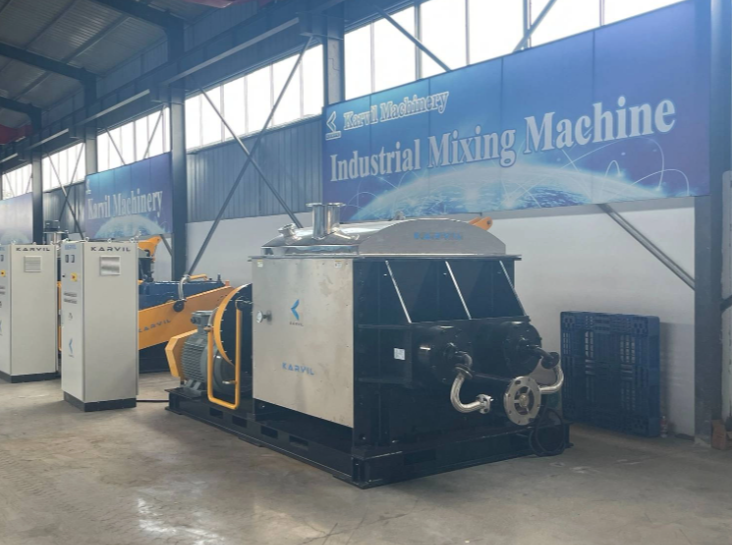
The Sigma Blade design is one of the defining features of these mixers. The counter-rotating blades provide an intense kneading and shearing action that ensures thorough mixing. This is particularly important for materials with high viscosity, as it breaks down clumps and ensures uniformity in the mix. The unique blade design makes Sigma Mixers more effective than other types of mixers, such as planetary mixers, which are typically suited for lower viscosity materials.
At KARVIL, we offer Sigma Mixers with advanced blade designs that are optimized for different types of materials. These customized blades improve mixing efficiency, particularly in applications involving tough-to-blend materials like adhesives, polymers, and dough.
A user-friendly control system is crucial for achieving consistent and precise mixing results. A Sigma Mixer with an adjustable speed control allows operators to fine-tune the mixing speed, which is particularly useful for materials that require different processing speeds. Some Sigma Mixers also come with touch-screen interfaces and automated controls, making it easier for operators to adjust mixing parameters in real time.
Having the ability to adjust speed based on the material’s requirements ensures optimal results, while reducing the likelihood of damaging delicate ingredients or overworking viscous materials. This level of control is especially important in industries like pharmaceuticals and food production, where product quality and consistency are paramount.
Temperature control is a key consideration when choosing a Sigma Mixer, especially in industries that require precise heat management, such as food and pharmaceuticals. A jacketed trough allows for the circulation of hot or cold fluids, maintaining the desired temperature during mixing. This feature is crucial for heat-sensitive materials, as overheating or cooling can affect the final product's texture and quality.
KARVIL offers Sigma Mixers equipped with heating and cooling jackets, ensuring that your mixing process is both efficient and precise. This feature helps maintain the integrity of heat-sensitive ingredients and ensures consistent mixing performance across different production batches.
In the food and pharmaceutical industries, hygiene is critical to maintaining product quality and safety. Sigma Mixers used in these sectors must meet FDA, GMP, and CE certification standards. These certifications ensure that the equipment is constructed with materials that are easy to clean, preventing contamination and meeting regulatory requirements.
Sigma Mixers designed for these industries typically have smooth, welded surfaces and minimal crevices to make cleaning more efficient. This is especially important when mixing ingredients that may have bacteria or allergen concerns, as a hygienic machine helps reduce the risk of contamination.
For industries like chemicals, where volatile materials are often mixed, safety is paramount. A Sigma Mixer used in these industries should have explosion-proof features to ensure the safety of workers and protect the facility from potential hazards. Models with ATEX certification are specifically designed to meet these safety standards, providing an added layer of protection when working with hazardous materials.
KARVIL offers explosion-proof Sigma Mixers tailored to meet the safety requirements of chemical production, ensuring that your operations are safe and compliant with industry regulations.
Automated cleaning-in-place (CIP) systems are a major advantage for high-volume production environments. These systems allow for efficient and thorough cleaning of the Sigma Mixer without requiring disassembly, which significantly reduces downtime between batches. Automated CIP systems help maintain hygiene standards and ensure that the mixer is ready for the next production run with minimal manual intervention.
One of the standout features of Sigma Mixers is their ability to be customized. The mixer blades can be tailored to accommodate different mixing tasks, optimizing performance for specific materials. For instance, custom blades can be designed to provide more shear for certain adhesives or more kneading action for dough.
Sigma Mixers can also be equipped with various attachments that increase their versatility, such as extruders, tilting discharge mechanisms, and vacuum systems. These additional features allow the mixer to handle a wider range of materials and meet specialized production needs.
Some Sigma Mixers come with optional accessories that can further enhance their functionality. Attachments like vacuum systems, which are essential for air-sensitive materials, help achieve a homogeneous mix by removing air bubbles. Other accessories, like automatic discharge systems, can improve workflow and efficiency by automating material removal after mixing is complete.
For companies looking to streamline their operations, Sigma Mixers with PLC control systems, automated feeding, and discharge options are available. These features reduce labor costs and improve precision in the mixing process. By incorporating automated systems, you can ensure consistent results and reduce the chance of human error.
When selecting a Sigma Mixer, consider adding automation features such as PLC controls and extruders for improved efficiency and flexibility in production.
The initial purchase price of a Sigma Mixer is important, but it’s essential to consider the total cost of ownership. This includes maintenance, energy consumption, and the longevity of the equipment. Machines with energy-efficient motors and durable materials may have a higher upfront cost but will provide savings over time by reducing operating costs and downtime.
It’s crucial to match your budget to the features that are most important for your production process. If you work with highly corrosive materials or need precise temperature control, it’s worth investing in a higher-end mixer that offers these features. On the other hand, if your mixing requirements are less demanding, a more basic Sigma Mixer may suffice.
Sigma Mixers vary greatly in price depending on their size, features, and capabilities. Small, laboratory-scale mixers are typically priced between $2,000 and $5,000, while larger, industrial-scale mixers can cost upwards of $50,000. The price difference is influenced by factors such as the mixer’s capacity, customizations, and the inclusion of automation systems.
Assess your operational needs and match them with your budget. Prioritize long-term savings through energy efficiency and durability rather than just focusing on initial costs.
Choosing a Sigma Mixer from a reputable brand ensures you are getting a reliable and durable machine. Established brands like KARVIL offer well-designed mixers built to last, with comprehensive warranties and global support. A trusted brand will also provide training, technical support, and easy access to spare parts, which is crucial for minimizing downtime in your production process.
The value of after-sales support cannot be overstated. A reliable Sigma Mixer brand should offer excellent customer service, including installation, training, and maintenance. A solid warranty ensures peace of mind, covering any potential defects and repairs within a specified period after purchase.
For large-scale operations that rely on Sigma Mixers, global service networks and spare parts availability are essential. KARVIL offers comprehensive support with its worldwide network of technicians and spare parts, ensuring that your equipment stays operational and any issues are resolved quickly.
Tip: When purchasing a Sigma Mixer, ensure that the brand offers robust after-sales support and a warranty that covers both mechanical and electrical parts.
Selecting the right Sigma Mixer for your production needs involves understanding key factors like material compatibility, capacity, safety, and cost. By evaluating these features, you can choose the best Sigma Mixer for your operations.
Before finalizing your decision, consider requesting technical consultations, sample tests, and after-sales support to ensure lasting value from your investment. KARVIL provides high-quality Sigma Mixers designed for optimal performance. Their products offer excellent durability and customizable features to meet diverse production needs.
A: A Sigma Mixer is a machine designed to mix high-viscosity materials like adhesives, rubber, and dough. It uses two counter-rotating blades for efficient blending.
A: To choose the right Sigma Mixer, consider factors like material viscosity, capacity, power, and customization options that suit your production process.
A: Key features of a Sigma Mixer include custom blade designs, variable speed controls, and heating/cooling options, offering flexibility for different materials.
A: The material construction ensures durability and corrosion resistance. Stainless steel is ideal for food and pharmaceuticals, while carbon steel works for industrial applications.
A: Higher power and torque are essential for mixing high-viscosity materials, ensuring efficient mixing without stalling or overheating.


