

Views: 0 Author: Site Editor Publish Time: 2025-11-29 Origin: Site


Choosing the right industrial mixer can make or break your production line. The wrong choice leads to inefficiency, downtime, and inconsistent results. In high-viscosity processing, Sigma Mixer and Planetary Mixer are the go-to options. This article compares the two, highlighting their structural and performance differences. You'll discover when each mixer shines and how to select the right one for your needs. In this post, you'll learn how Sigma Mixer excels in high-shear tasks, and how Planetary Mixers offer versatile dispersion. We'll guide you through the key differences to help you make an informed decision.
Sigma Mixer specializes in extreme viscosity and heavy kneading performance
Planetary Mixer excels in uniform blending and mid-range viscosity dispersion
Structure and blade motion define material handling efficiency
KARVIL mixers enhance stability, automation, and production control
Correct selection improves product reliability and cost efficiency
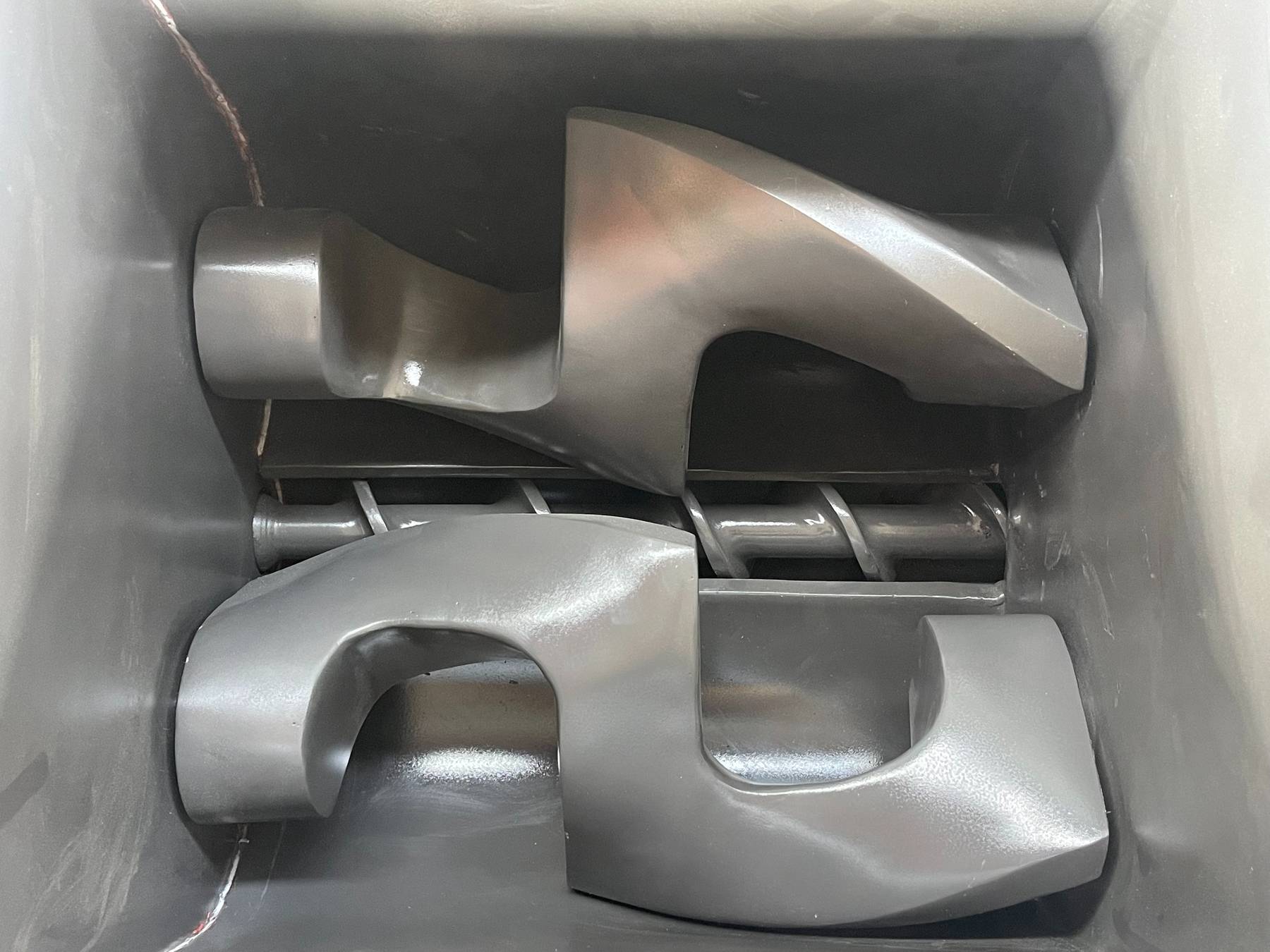
A Sigma Mixer uses two Σ-shaped blades inside a horizontal trough. They rotate in opposite directions. One blade moves faster, while the other rotates slower to create a differential shear effect. This mechanism compresses and folds material repeatedly to achieve deep kneading. Its frame carries heavy loads and withstands intense torque pressure. They resist metal fatigue under continuous operation cycles. This structure supports dense and semi-solid materials with strong mechanical reliability. Industries value this durability when working with rubber, adhesives, and polymer compounds. The stability reduces vibration and improves process safety. It also enhances operational precision over long production runs.
A planetary design uses a vertical vessel. Agitators rotate while orbiting the chamber center. This dual motion ensures complete material contact across the vessel surface. It minimizes unmixed zones and prevents buildup. They scrape walls and base constantly. This reduces material retention during blending. It also helps maintain uniform temperature distribution. The system promotes even material movement. It performs well with medium-viscosity liquids and paste-like substances. It offers flexibility across many processing environments.
Mechanical layout affects flow patterns directly. It changes material behavior at multiple processing stages. When structure channels pressure outward, compression improves consistency. When structure rotates freely, dispersion improves smoothness. Sigma Mixer compresses and folds mass aggressively. Planetary mixers circulate mass smoothly. These differences shape surface texture and internal cohesion outcomes. This contrast explains why industries allocate each for specific production goals. Selecting structure based on material response ensures uniform quality. It also reduces energy waste.
Sigma mixers demand careful cleaning. Their trough limits access. Operators must schedule downtime for manual residue removal. This affects overall productivity rate. Planetary mixers allow easy blade lifting. They simplify cleaning cycles and reduce contamination risk. Maintenance teams use standard tools for faster intervention. Downtime differs significantly between both designs. Regular maintenance planning influences total cost of ownership. This difference becomes critical for continuous production environments. Choose easy-clean systems to improve batch turnaround speed.
Table 1: Structural Design Comparison
| Feature | Sigma Mixer | Planetary Mixer |
|---|---|---|
| Vessel Orientation | Horizontal Trough | Vertical Chamber |
| Blade Type | Dual Σ-shaped Blades | Multi-Axis Rotating Agitators |
| Cleaning Accessibility | Moderate | High |
| Structural Strength | Heavy-duty Industrial Grade | Flexible Medium-Duty Design |
A Sigma Mixer delivers intense pressure. It crushes and kneads dense compounds thoroughly. The compression cycle ensures deep molecular mixing. This action supports strong structural integrity. Its twin blade interaction creates mechanical friction. This breaks material chains effectively. It stabilizes consistency across the batch. They handle ultra-high viscosity materials effectively. This strength benefits polymer and rubber production lines. Performance remains stable under high load conditions.
Planetary motion rotates and revolves simultaneously. This motion distributes material evenly across the chamber. The scraper ensures complete contact coverage. Enhanced surface scraping supports material circulation. This avoids material accumulation at edges. It creates smooth texture transitions. This system works well for dispersion tasks. It suits adhesives and light structural materials. Operators favor it for versatile applications.
Sigma mixers handle >1,000,000 cP materials well. They maintain stable torque output. The blades prevent stagnation. Planetary mixers suit 100,000–3,000,000 cP materials. They retain flexibility. They offer smooth blending within this range.
| Viscosity Range (cP) | Best Choice |
|---|---|
| 50,000 – 300,000 | Planetary Mixer |
| >1,000,000 | Sigma Mixer |
Sigma mixers mix slower but create dense structure stability. This benefits products needing precise texture control. It reduces air pocket formation. Planetary mixers mix faster but deliver higher surface uniformity. This increases production rate. It supports time-sensitive manufacturing environments. Both machines trade speed for quality differently. Matching performance needs optimizes production planning. High speed may reduce structural integrity.
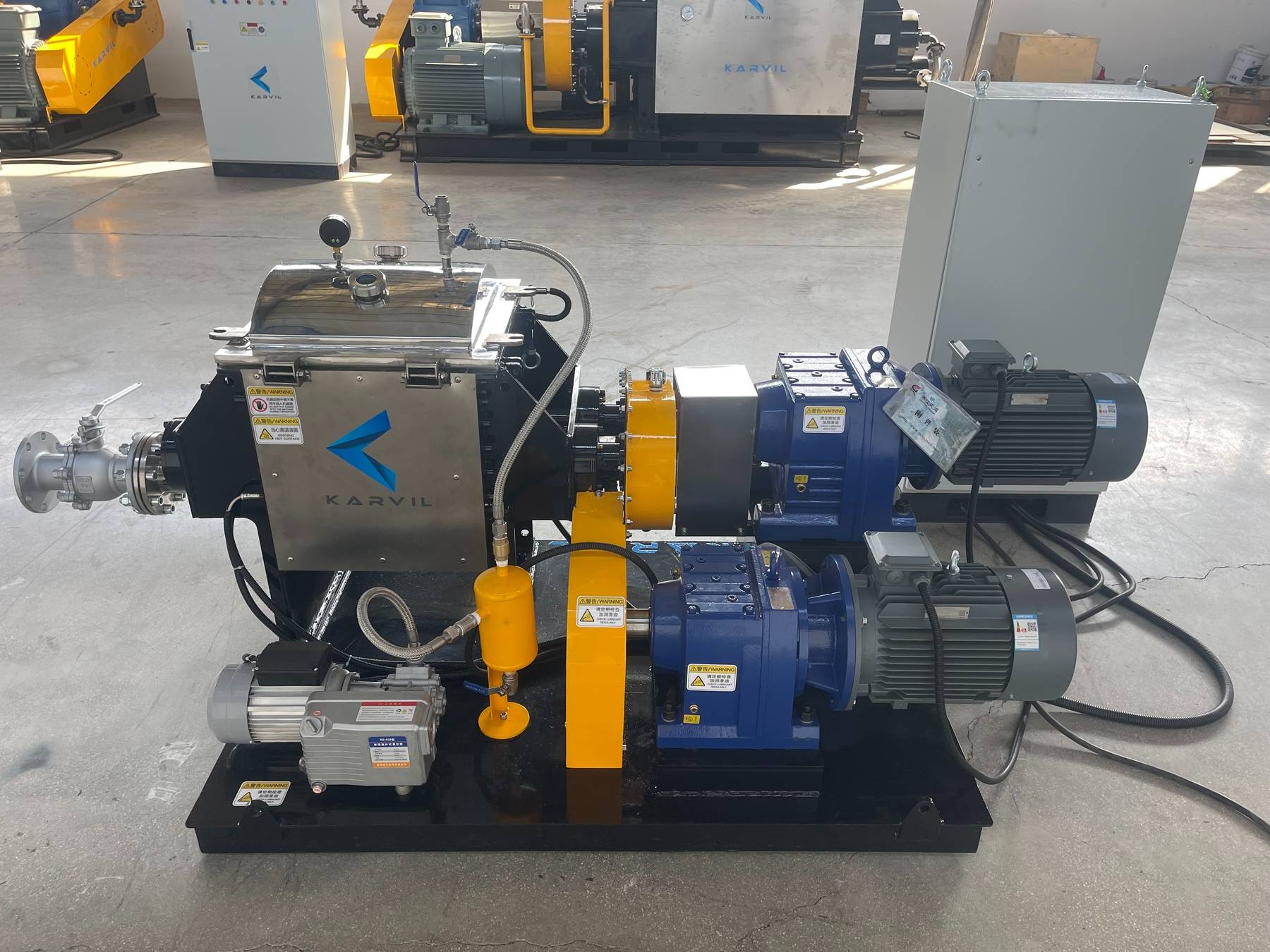
Sigma Mixer performs best on rubber compounds, sealants, and polymers. It delivers stable torque and deep kneading. KARVIL Sigma Mixers support these materials with reinforced blade engineering. They manage extreme thickness without speed loss. They ensure product consistency. KARVIL designs focus on process reliability.
Its shear compression breaks molecular bonds effectively. This enhances blending accuracy. KARVIL’s advanced blade configuration improves this process. They reshape solid masses consistently. Texture remains uniform throughout output. This level of performance reduces waste. Industries value this strength for high-load production. It guarantees uniform curing.
Planetary systems lose efficiency in dense solids. They face motor strain under heavy resistance. Mixing speed drops. Material movement slows dramatically. This triggers overheating risks. It also affects blade wear. This limitation makes them unsuitable for ultra-solid mass. KARVIL recommends Sigma systems instead.
Sigma systems remain stable under heat and pressure. KARVIL integrates load balancing and thermal control features. This improves safety standards. They maintain batch consistency despite density changes. This supports quality insurance goals. Process errors reduce significantly.
Common sectors include:
Butyl rubber processing
KARVIL adhesive systems
Heavy composite materials
Pharmaceutical dough preparation
Performance consistency ensures product excellence.
Consider material properties before purchase. Resistance, flow behavior, and curing state matter. KARVIL engineers recommend testing material samples.
| Material Behavior | Recommended Equipment |
|---|---|
| Solid Mass | Sigma Mixer |
| Viscous Liquid | Planetary Mixer |
Match mixer strength to material resistance.
Sigma mixers use hydraulic tilting. Some models include screw extrusion systems. KARVIL offers ball valve discharge options. These methods handle thick output smoothly. They reduce manual handling risk. Discharge remains consistent.
Planetary mixers discharge via hydraulic press or gear pump. They move fluid material quickly. They suit semi-liquid production. This system supports faster cycle times. It improves workflow speed. Cleaning remains easier.
Sigma discharge takes longer but manages tough material. KARVIL optimized designs reduce this delay. They maintain safety. Planetary discharge supports faster batch cycles. It fits rapid turnover lines. Workflow design improves efficiency. Poor discharge planning slows production lines.
Sigma mixers need larger installation space. KARVIL models support heavy installations. They require rigid foundations. Planetary mixers offer compact layout benefits. They fit smaller factory units. This helps space planning.
Sigma mixers have higher initial cost. KARVIL offers scalable price ranges. Long-term value offsets cost. Lower failure rates improve ROI (data needs verification). Reduced downtime supports profit stability.
Sigma mixers consume higher motor power. They provide high torque output. Energy use reflects processing demands. Planetary mixers optimize energy usage. KARVIL engineers improve efficiency via smart control units.
| Factor | Sigma Mixer | Planetary Mixer |
|---|---|---|
| Initial Cost | High | Moderate |
| Energy Use | High | Lower |
| ROI | Long Term | Short Term |
Tip: Calculate lifecycle cost before purchase.
Choose it when materials resist movement. Use it for strong kneading. KARVIL Sigma Mixers ensure consistency. They perform well in heavy-duty environments. They support industrial robustness. Long-term stability improves quality.
Select planetary for fluid dispersion. They fit lighter workloads. This supports faster cycle execution. They suit multipurpose mixing lines. KARVIL planetary mixers enhance control.
| Requirement | Suggested Mixer |
|---|---|
| Extreme Viscosity | Sigma Mixer |
| Uniform Blending | Planetary Mixer |
| Heavy Compression | Sigma Mixer |
| Fast Turnover | Planetary Mixer |
Equipment choice defines product reliability.
KARVIL integrates smart monitoring systems. These track temperature and load. They support predictive maintenance. Automation improves control accuracy. It reduces operator error. Production becomes safer.
Planetary designs evolve rapidly. KARVIL hybrid blade technology improves efficiency. It enhances flow consistency. Degassing processes strengthen product stability. Waste reduces significantly (needs validation).
Energy efficiency trends grow. KARVIL focuses on eco-efficient motors. Noise reduction improves environment. Sensors adjust performance automatically. This lowers carbon footprint. Smart features reduce operational errors.
Sigma Mixer excels in high-shear and ultra-viscous processing, ensuring stability and consistency in demanding applications. KARVIL amplifies these strengths with advanced engineering and automation, offering reliable solutions for heavy-duty production lines. On the other hand, Planetary Mixers provide speed and dispersion efficiency, serving different manufacturing goals.
Smart mixer selection depends on material behavior, leading to better equipment utilization. The right investment enhances reliability and output quality, ensuring long-term production efficiency. By prioritizing material characteristics, you can make an informed decision that supports both performance and cost-effectiveness. KARVIL’s products provide substantial value, ensuring optimal results for a wide range of industries.
A: Sigma Mixers are primarily used for high-shear and high-viscosity material processing. They are ideal for applications such as rubber mixing, adhesives, and polymer compounds.
A: A Sigma Mixer excels in intense kneading and shear, handling ultra-high viscosity materials. In contrast, a Planetary Mixer is better for fluid dispersion and blending.
A: If you need to mix dense, viscous materials, a Sigma Mixer is the best option. It ensures stability and uniformity in high-pressure mixing tasks.
A: The cost of a Sigma Mixer varies based on size, features, and customization, but it is typically higher than Planetary Mixers due to its specialized capabilities.
A: Yes, Sigma Mixers are widely used in the food industry for dough mixing, pastes, and other high-viscosity food products, ensuring consistency and quality.


